A Record Label Model, Lifestyle Loyalty, and AI of course.
by Matt Peterson ECD
Beer is a little adrift right now. It's struggling to find its place in a world of less drinking overall by the traditional volume drinkers (20-somethings), but beer is still beer. Sharing one remains a quiet social ritual: the opening salvo of a new friendship, a bridge across family generations, or the unspoken interview question: “Is this someone I could have a couple beers with if stuck at airport for hours?“
The brands that will survive and thrive aren't just brewing great beer—they're reinventing how they connect with consumers. Across the industry, I'm observing a few interesting things taking shape: a record label model for beer, the lifestyle label, and AI in beverages.
The Record Label Model for Beer
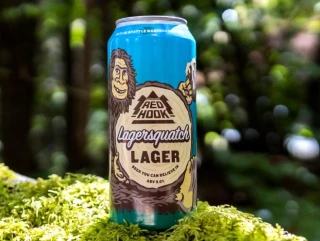
I was chatting recently with my old pal and Creature co-founder Jim Haven about some exciting models he's seeing coming out of London’s beer scene. A growing number of breweries are adopting a record label-style model, where the parent brand takes a back seat, acts like a trusted imprint, and each new beer release is the headliner. This mirrors changes in consumer behavior: younger, urban drinkers crave novelty, visual punch, and cultural connection as much as taste. New beers arrive in limited runs, often with scarcity built in: small batches, seasonal only, or one-off collaborations. Labels are often mini works of art: neon gradients, hand-drawn cartoons, pop-culture mashups. Collabs might be with coffee roasters, streetwear brands, tattoo artists, or musicians, or even with other breweries—pulling in cross-audience attention. This “beer-as-record-label” playbook isn't unique to London—it's part of a broader shift toward experience-led consumer products. Streetwear, specialty coffee, and even independent wine makers are leaning on drop culture, bold design, and collab energy to thrive in saturated markets. If a brewery in London can make each release feel like a gig, an album, or a sneaker launch, they're not just selling beer—they're building culture.

Label as Lifestyle: Turning Beer into a Curtural Badge
Some legacy beer brands are successfully transcending “just another lager“ status and becoming symbols of identity—much like a denim brand, a motorcycle company, or a surf label might.
Coors Banquet and Rainier Beer are two that are making moves in this way. They've tapped into heritage, regional pride, and visual storytelling to position themselves as lifestyle companions rather than just beverages.
This is a different play from the “record label“ drop culture. Instead of rapid novelty, this is about deeply embedding the brand in the consumer's life, values, and aesthetic.
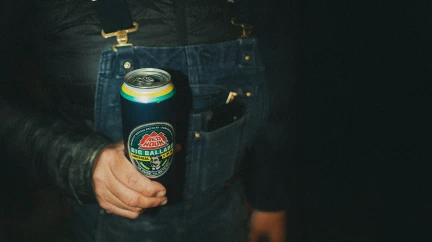
Coors Banquet leans hard on its Colorado mining-town origins, cowboy iconography, and golden age Americana cues. Rainier amplifies its Pacific Northwest roots—mountain backdrops, quirky humor, retro typography, and a long history that feels woven into the region's identity. They keep the visual and emotional cues that older drinkers remember, while refreshing marketing and merch for younger audiences. The brand can be your granddad's favorite and your weekend cabin-trip companion at the same time. Clothing, hats, posters, and clever pop-up experiences extend the brand's presence into non-drinking occasions. This physical presence turns drinkers into walking billboards and reinforces the brand as part of their personal style.
This “Label as Lifestyle“ strategy works best for brands with authentic roots and strong visual heritage. It's about building an emotional moat: even in a crowded shelf, you're not competing purely on taste or price—you're selling membership in a culture.

An AI Lens on Beverage Marketing
Artificial Intelligence is poised to reshape how beverage brands approach product development, design, and go-to-market strategy. While AI is already transforming in every industry, its utility in beverage marketing is just beginning to be tapped. The opportunity lies not just in making processes faster, but in expanding creative possibilities and giving sales teams new tools to win buy-in long before a product ever hits shelves. Instantly generate hundreds of product name options, tagline variations, and conceptual mood boards. Use generative visual models to produce hyper-realistic pack shots, seasonal variants, and brand worlds before any physical prototype is made. AI vision models can simulate how a can or bottle will stand out on a crowded shelf, factoring in size, color, and competitive set.
But AI can't feel the condensation on a cold can or understand the cultural meaning of that first sip on a hot day. Sensory and ritual remain firmly human territory. Without human creative direction, AI struggles to interpret local humor, subcultural codes, or historic brand cues that make a product resonate authentically in specific markets. Some of the most memorable campaigns work because they're unexpected and in tune with culture. AI, by default, optimizes for harmony and safety—meaning deliberate tension still requires a human hand. The magic happens when AI efficiency meets human intuition: using the machine to explore more possibilities, then curating the ones that connect emotionally, culturally, and sensorially. AI isn't here to replace beverage creatives—it's here to give them more shots on goal. Brands that treat AI as a co-creator rather than a replacement will be the ones that turn algorithmic speed into cultural impact.
That's where we come in.
Why Catalysis Is Built for This
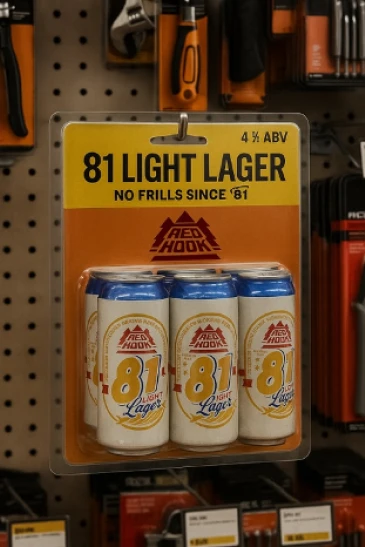
At Catalysis, we know that today's beverage brands need speed, a little strategic weirdness, and real creative guts. We mix data with flavor, and insights with authentic stories. For our client Redhook, we're using the mantra “Work Makes Thirst“ to tap into the grit and hustle that started Redhook, and the craft beer movement, way back in 1981. Even if you work in tech today, you still work hard to earn your reward. Something side-hustling younger generations of beer drinkers can get behind.
Let's talk about your next beverage ideas and integrated roadmaps for success. Cheers!
Let's Connect
Email our president directly at Grant@catalysis.com if you'd like to talk more.
Key tips and takeaways
Drop Culture Wins
- Treat some beers like a limited-edition release to capture attention and create cultural buzz.
Brand = Lifestyle
- Successful beers become identity badges, not just beverages.
AI as Creative Fuel
- Use AI to accelerate ideas, but keep humans at the heart of emotional storytelling.
Blend Tech + Soul
- The future is fast, weird, and strategic—brands need both efficiency and authenticity to thrive.