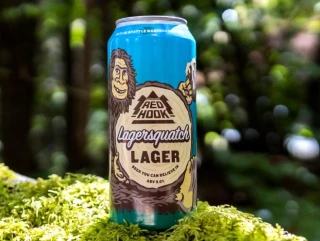
Where packaging meets personality, and every sip tells a bigger story.
by Matt Peterson ECD
I've spent a fair portion of my creative life exploring, creating, documenting, positioning, shelf blocking, end-capping, sampling, launching, and, yes, personally consuming from the beverage aisle. Along the way, I've helped shape stories for an eclectic mix of well-known icons and some fresh, thirsty upstarts: Rainier Beer, Pacifico, Starbucks, Seattle's Best Coffee, Henry Weinhard's, Sparkling ICE, Pepsi's Sierra Mist, Number 6 Cider, The Sherry Council of America, and most recently Tilray-owned Redhook Ale Brewery and Herb & Bloom, a THC-infused cocktail in a can.
If there's one thing I've learned, it's this: it's never just about the liquid. It's about a set of ideas you can drink. Beverages are cultural currency—part refreshment, part personal signal, part ritual. If a drink resonates with you, chances are its personality matches something about your own.
And that relationship almost always starts with the packaging—where a brand either stops you or disappears into the beverage aisle abyss. That one would look good in my cooler at a party, this one neatly stacked in rows in my garage fridge. Packaging sets the tone for the entire relationship.
Some brands I've worked on were already iconic; others started from scratch with no name, no logo, and no story. All of them taught me something about the delicate dance between creativity, commerce, and drinkable culture.
Join me on a quick walk down memory aisle:
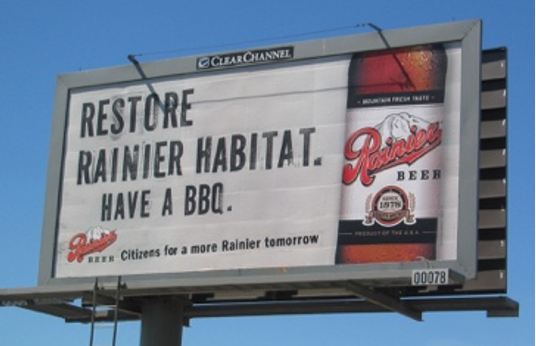
Rainier Beer
“Save the Rainiers“ wasn't just a quirky slogan—it was a rally cry for more BBQs, more backyard parties, and more local pride.
Lesson: For regional brands, authenticity is the ultimate differentiator. If you can rally the community around their own identity, you've built something competitors can't copy.
Pacifico
While Corona sells white sand beaches and hammock days, Pacifico leans into Baja's dust, surf trucks, and street tacos.
Lesson: Lean into your version of escapism. A transportive brand story doesn't need to be pristine—it just needs to be true to its roots.
Starbucks
The guerrilla magnetic “red cup“ holiday campaign transformed a simple seasonal cue into a cultural ritual, signaling the start of the holidays.
Lesson: Small design cues, when tied to a small moment of magic, can create powerful annual traditions that customers look forward to. Small stories get amplified quickly when they're worthy.

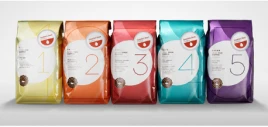
Seattle's Best Coffee
With Bright Spots Everywhere, Starbucks owned SBC's redesign democratized premium coffee, meeting customers where they are, rather than the “third place“ brand that asks you to come to them.
Lesson: You don't have to mimic a category leader; sometimes, flipping their model creates a stronger emotional hook.
Henry Weinhard's
With the Beer Means More Here campaign, Henry's carried the flag as the Pacific Northwest's answer to big beer—rooted in regional storytelling.
Lesson: When going up against national giants, double down on place, memory, and shared heritage.

Sierra Mist
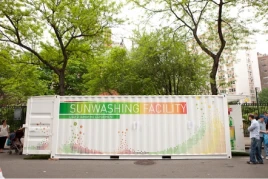
The Liquid Sunshine campaign took to the streets with tactile, unusual tasting events, making flavor an interactive experience.
Lesson: Physical touchpoints create deeper brand memory than ads alone—especially for flavor-driven products.
Number 6 Cider
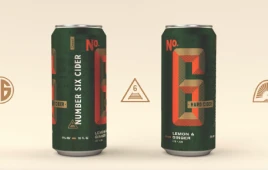
Operating a tasting room on active rail tracks, this new brand embraced its gritty, hard-working setting.
Lesson: Environment can be part of the brand story—invite customers into your world, even if it's a rustic tap room attached to your distillery.
Sherry Council of America
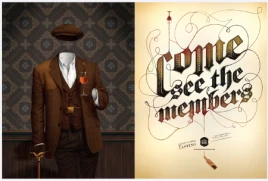
Wine's Best Kept Secret campaign blended storytelling, mystery and education to reframe sherry for a modern audience.
Lesson: Inherit a misunderstood category? Lead with curiosity, encourage questions and further inspection.
Redhook
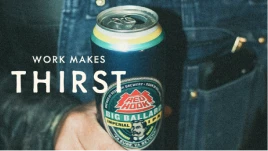
Seattle's OG blue-collar craft beer looking to reinvent itself after acquisition by Tilray Brands.
Lesson: Revival only works if you honor your origin story—reinvention can't erase what made you beloved. But you need to tap into what's working with younger audiences when throwing it back.
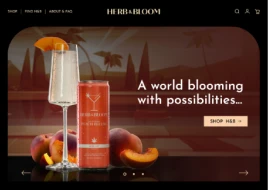
Herb & Bloom
A new THC-infused cocktail in a can that pairs legalization with the sophistication of craft mixology.
Lesson: For frontier categories, legitimacy comes from borrowing cues from established, premium segments. People want to have some clue of what they're walking it to, but also an air of the unknown brings excitement.
Beverages aren't just consumed—they're chosen, shared, and remembered. From backyard BBQs to seasonal traditions, the best brands don't just quench thirst—they tell stories you can sip. My walk through the beverage aisle has shown me that the magic isn't just in what's inside the can, but in how it connects to who we are.
“WORK MAKES THIRST“
That's the new Redhook creative platform we're about to launch. And honestly? Writing this has made me thirsty. Cheers to what's next!
Let's Connect
Email our president directly at Grant@catalysis.com if you'd like to talk more.
Key tips and takeaways
Packaging Starts the Conversation
- A beverage's visual identity is often its first—and most powerful—impression. Make it count.
Authenticity Outshines Gloss
- Whether it's gritty surf culture or small-town pride, brands rooted in real stories resonate deeper.
Small Moments Build Big Rituals
- Details like limited runs or regional adaptations can quickly become cultural touchstones.
Create Experiences, Not Just Ads
- Tactile events, immersive environments, and local flavor deepen emotional connection far beyond the shelf.